Peter Gutmann, overwrites, and DOD security.
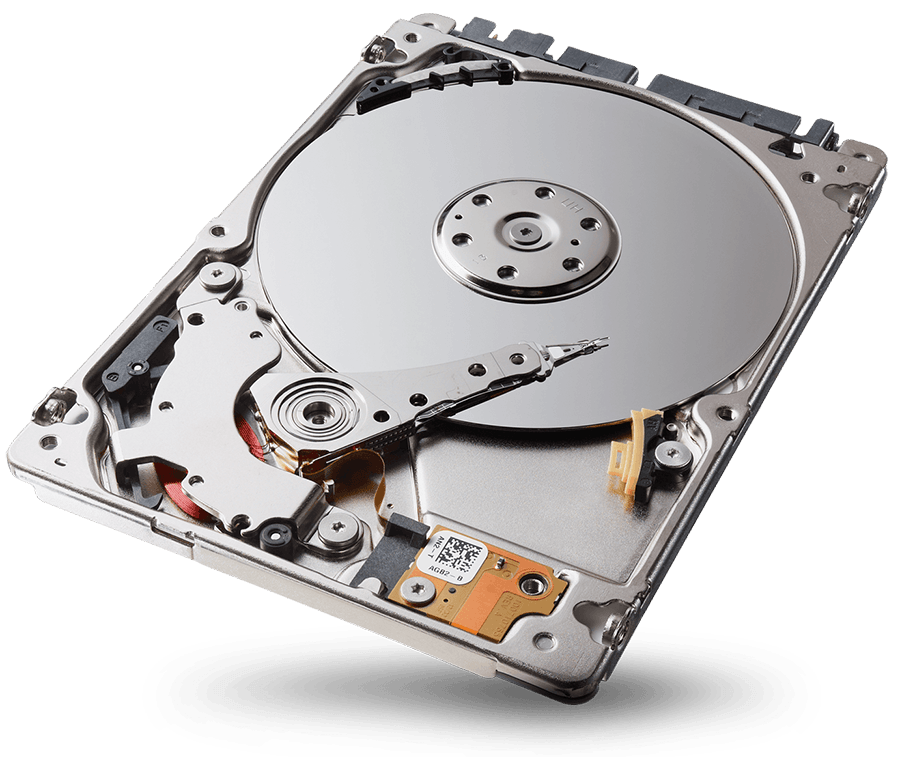
The paper entitled secure deletion of data written by Peter Gutmann and published in 1996 postulated the possibility of recovering data from magnetic storage media via such exotic methods employing MFM Magnetic Force Microscopy this scanning techniques uses a sharp tip which interacts with the disk surface and an image is then produced of the disk surface
Section 2 of the paper there is the following statement “Even for a relatively inexperienced user the time to start getting images of the data on a drive platter is about 5 minutes”.
Off course this is well documented as is the paper and related to hard drive technology some 12 years ago and may as well be 12 light years ago based on the almost exponential growth of HDD storage media their capacity, areal density B.P.I Bits Per Inch track widths and perpendicular recording technology, coupled with the sub micron distance of the Head Stack Assembly head to surface calibrations, no one has produced any new evidence, photos or samples of MFM or STFM tunneling data from modern hard drive surfaces, not least that they have been able to reconstruct the data back to meaningful useful logical file structures for end user usage.
The paperwork discussed the famous 35 times overwrite to thoroughly sanitize the magnetic spinning media and destroy any data on the surface, is this really required?
Perhaps the DOD Department of Defence is then needed 7 times overwrites? or how about 3 times for a quick delete?
Answer = 1. Yes that’s correct 1 times overwrite from the beginning of the user data area LBA Logical Block Address 0 to the end of the drive. This is all that is required to destroy the data permanently for most requirements.~
There are a number of utilities which can do this for you some of which are freely available for download from the Internet.
Why not try this yourself then come back to us with your results we would be interested to hear from you?
However there is one small caveat that may be overlooked, bad sectors and lists may contain data for which the utility may not access thus leaving some data remaining.
Hard drive technology handles bad sectors by way of lists and marking them bad which the operating system will also do through the $meta data file badclus$ the secure deletion software may have limited or strict timing in accessing those sectors and move on before completing its overwrite pass to the area of the disk moreover software will not have access to defect lists as this contains the translator which is only accessible via ATA firmware commands completely outside of user access for obvious reasons.
To correctly erase all the data with standard software then low level format the media, next scan the media with a bad block tool making a note of bad blocks available acquire software which can deal with these issues, bad sectors and is able to have timeouts amended for slow sectors and CRC errors this way you will be able to deal with all user data area including bad sectors G & P Lists and LBA user area and securely erase your hard drive taking into consideration ALL bad sectors.This process obviously takes some time to complete and so it must be calculated into the desired results and objective.
The obvious answer to security and ALL storage media and if you want complete peace of mind then physical destruction of the device is the only absolute way to destroy the data and requires the least amount of resources, however the article is based on overwrites and the practical realistic possibility of recovering data from overwritten data have any companies or departments ever recovered any data from any media? There was a recent challenge and reward for any institution, comp[any or organization to recover overwritten data and to data the challenge remains intact and unclaimed.
Leave a Reply